Forehand Topspin Loop: Fundamentals Every Player Must Know
The forehand loop is the central attacking stroke in modern table tennis. Breaking down its mechanics reveals why most players do it wrong - and how to fix it.
Technical masterclasses and equipment reviews for the British competitive circuit.
Browse Guides →
This is an independent table tennis reference for players, coaches and parents across the UK - from someone picking up a bat for the first time to club competitors fine-tuning their kit. The four core sections work as a progression: start with the rules to understand serves, scoring and faults; move into training for the drills and technique that build consistent topspin and footwork; use the beginners guide if you are starting from scratch and want a clear first-steps path; and turn to equipment when you are ready to choose a blade and rubber that match your style.
Alongside the guides, the blog covers technique breakdowns, gear reviews and the changes shaping the modern game, and the free score counter tracks points, sets and serve rotation so you can focus on playing. Everything here is written to be practical and accurate, with sources cited so you can check the detail yourself. Whether you play in a local league, coach a junior session, or just want to get sharper in the garage, the aim is the same: clear, honest table tennis guidance you can actually use.
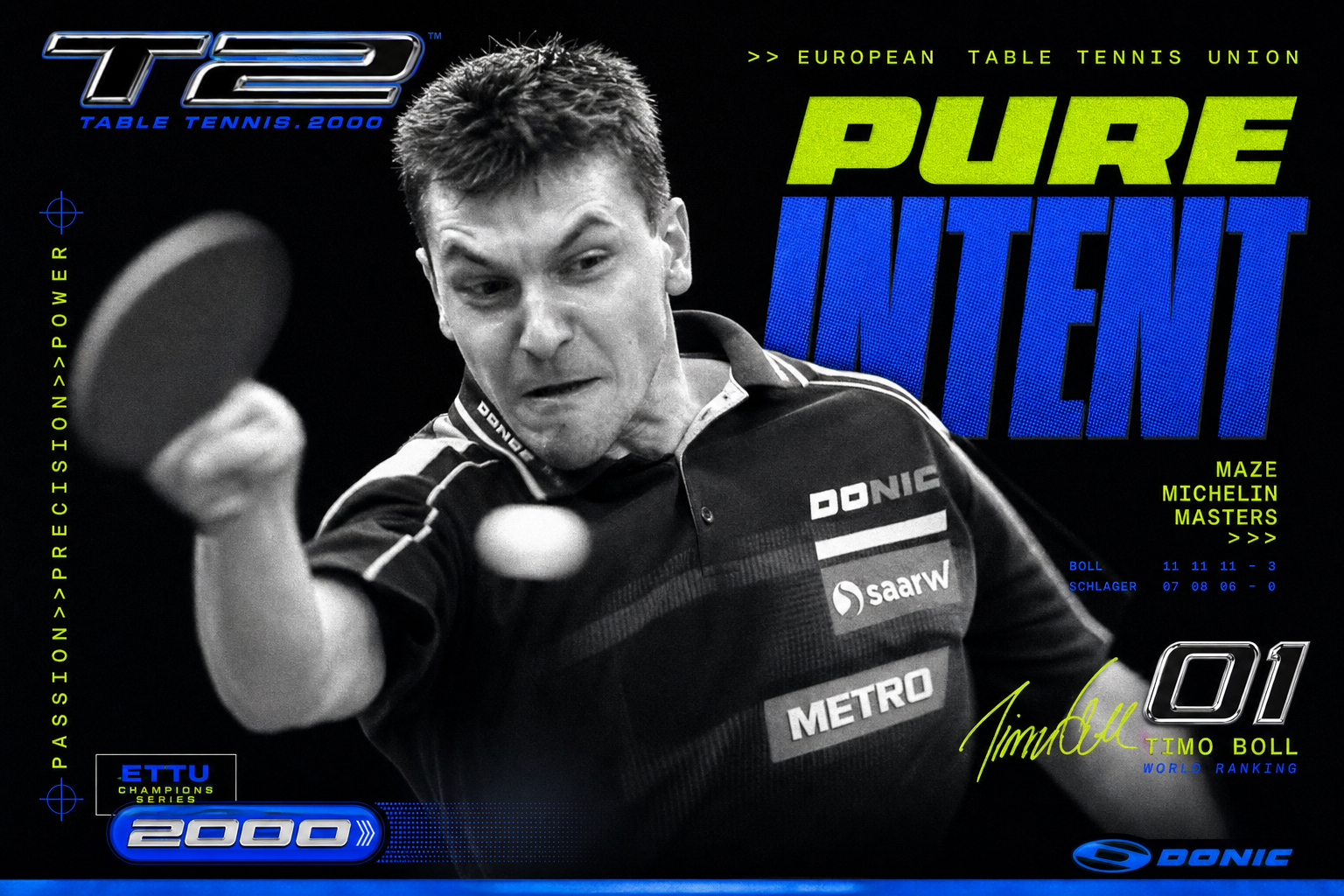
The forehand loop is the central attacking stroke in modern table tennis. Breaking down its mechanics reveals why most players do it wrong - and how to fix it.
Hybrid rubbers blend tacky Chinese topsheets with high-tension sponges. Here's what the technology actually does and whether it suits your game.
Carbon blades don't need to cost a fortune. These options deliver the speed and stiffness of composite construction at realistic UK club player budgets.
The tomahawk serve is one of the most disorienting deliveries in table tennis. Learn the mechanics, key variations, and how to make it deceptive.
Free interactive score counter for table tennis matches. Track points, sets, and serve rotation. Best of 3, 5, or 7 — no login required.
Begin with the basic rules and a comfortable grip, then work on consistency before power. Our beginners guide walks through your first sessions step by step, and an inexpensive pre-assembled bat is perfectly fine until you know the style you want to play.
A game is played to 11 points and must be won by at least two clear points, and a match is usually the best of five or seven games. Service alternates every two points (and on every point at 10-10). The full breakdown is in our rules guide.
To start, a ready-made bat, a few three-star balls and access to a table are enough. As you improve, a separate blade and rubbers let you tune speed, spin and control to your game. See the equipment guide for how to choose.
Structured, repeatable drills beat random hitting. Focus on footwork, a relaxed stroke and clean contact, then build up topspin and placement. Our training guide sets out drills you can practise solo or with a partner.